

Emergency Water Removal & Flood Cleanup in Springfield, Eugene & the Willamette Valley
When water is standing on the floor, every hour counts. It soaks into carpet pad and drywall, wicks up walls, seeps under flooring and finds its way into the crawlspace or the floor below. 911 Restoration of the Willamette Valley provides emergency water removal and flood cleanup for homes and businesses, from a burst pipe in the kitchen to a flooded basement after a week of heavy rain.
Call (541) 207-9022 if water is coming in or standing in your home or business.
What emergency water removal involves
- Stopping the source. We help you shut off the water or identify where outside water is getting in, so removal isn’t fighting a continuing flow.
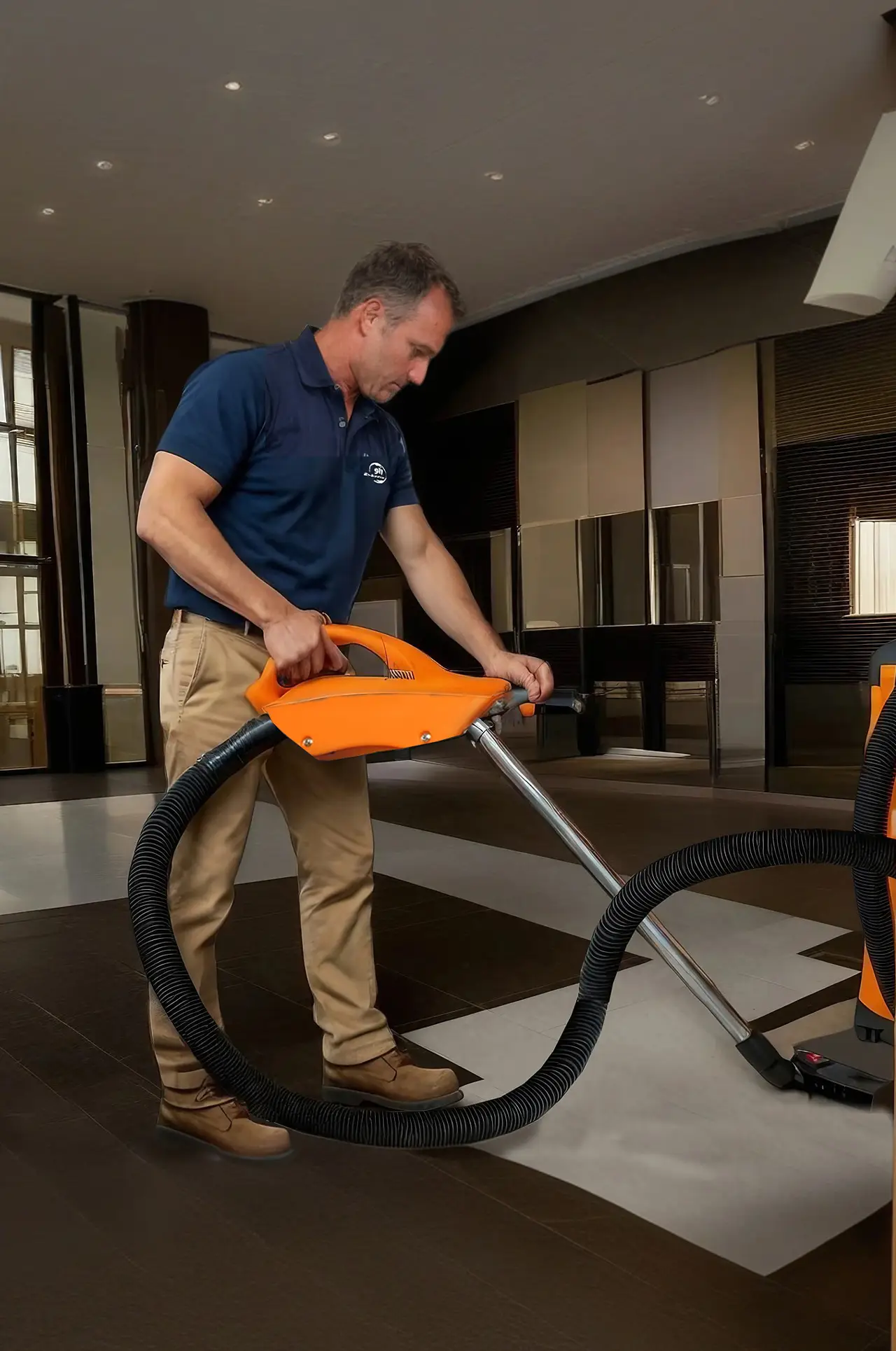
- Extraction. Pumps and extraction equipment remove standing water from floors, carpet, basements and crawlspaces. Getting the bulk of the water out quickly is what keeps the damage from spreading.
- Finding hidden water. Moisture readings show where water has moved behind walls, under flooring and into framing, so nothing wet is closed up.
- Removing what can’t be saved. Soaked carpet pad, baseboards and the lower part of wet drywall are removed so the structure behind them can dry.
- Drying. Air movers and dehumidifiers run until materials are back to normal moisture levels. That part of the job is covered in detail on our water damage restoration page.
Basement flooding
Basements and lower levels flood in a few different ways, and the cause changes how the cleanup is handled.
Groundwater. After weeks of Willamette Valley rain, saturated soil pushes water through foundation walls, cracks and the joint where the wall meets the floor. This water comes from outside and is treated as contaminated.
Surface water. Clogged gutters, downspouts that empty against the foundation and ground that slopes toward the house send rainwater straight into window wells and basement doors.
Plumbing failures. A burst supply line, a failed water heater or a washing machine hose can flood a finished basement in minutes. This is usually clean water at first, but it doesn’t stay clean for long once it soaks into carpet and drywall.
Drain backups. A basement floor drain that backs up during heavy rain or a sewer blockage brings contaminated water into the house. See sewage cleanup for how that’s handled.
Burst and frozen pipes
The valley doesn’t freeze often, which is exactly why frozen pipes catch people off guard. Pipes in crawlspaces, garages, exterior walls and unheated rooms are the most exposed during a cold snap. A frozen pipe can split without leaking; the water starts running when it thaws. If you have a burst pipe, shut off the main water valve right away, turn off power to any wet area if you can do it safely, and call for water removal.
Flood cleanup after outside water
Water from outside, whether from rising rivers, heavy runoff or saturated ground, carries soil, bacteria and whatever it picked up along the way. Flood cleanup takes more than drying: porous materials the water reached are usually removed, and the remaining surfaces cleaned and disinfected before drying begins. Keep children and pets away from floodwater, and don’t use household fans to dry a contaminated area, which can spread it.
Emergency water removal questions
What should I do while I wait for water removal?
Stop the water at the main shutoff if it’s a plumbing leak. Turn off power to wet areas only if you can reach the breaker without standing in water. Move rugs, electronics, papers and small furniture out of the wet area, and put foil or wood blocks under furniture legs. Take photos and video before anything is removed.
How fast does water need to be removed?
As soon as possible. Materials start absorbing water within minutes, and mold can begin growing on damp materials within 24 to 48 hours. Quick extraction usually means less material to remove and a shorter drying time.
Can I use a shop vac or pump it out myself?
For a small amount of clean water on a hard floor, a wet vac can help. For anything larger, water in carpet or walls, a flooded basement, or water from outside or a drain backup, professional extraction and drying are needed to get the hidden moisture out.
Is basement flooding covered by insurance?
It depends on the cause. A burst pipe or appliance failure is often covered. Groundwater and outside flooding usually aren’t covered without flood insurance, and drain backups often need a specific sewer or water backup endorsement. Check your policy and call your insurer early.
How do I keep my basement from flooding again?
Keep gutters clean, extend downspouts well away from the foundation, make sure the ground slopes away from the house, keep window wells clear, and have foundation cracks sealed. If you have a sump pump, test it before the rainy season.
What’s the difference between water damage and flood damage?
Water damage usually refers to water from inside the building, like a pipe or appliance. Flood damage refers to water from outside, like rising water or runoff. The cleanup steps are similar, but outside water is treated as contaminated and insurance treats the two very differently.
Emergency water removal across our area
We provide emergency water removal and flood cleanup in Springfield, Eugene, Lebanon, Corvallis, Creswell and Junction City. Storm-related leaks are covered on our storm damage page.
Call 911 Restoration of the Willamette Valley at (541) 207-9022.